
Pizza Delivery Gets Better with More Menu Choices
Exploring the impact of expanded pizza delivery menus on customer satisfaction and business growth. The pizza industry, renowned for its simplicity, is undergoing a transformation. This change is primarily driven by the evolving preferences of modern consumers. Businesses recognize the need for diversification, responding with broader menu offerings. These enhancements are redefining customer experiences and fostering business growth.
1. The Rise of Diverse Toppings
1.1 Historical Preferences and Limitations
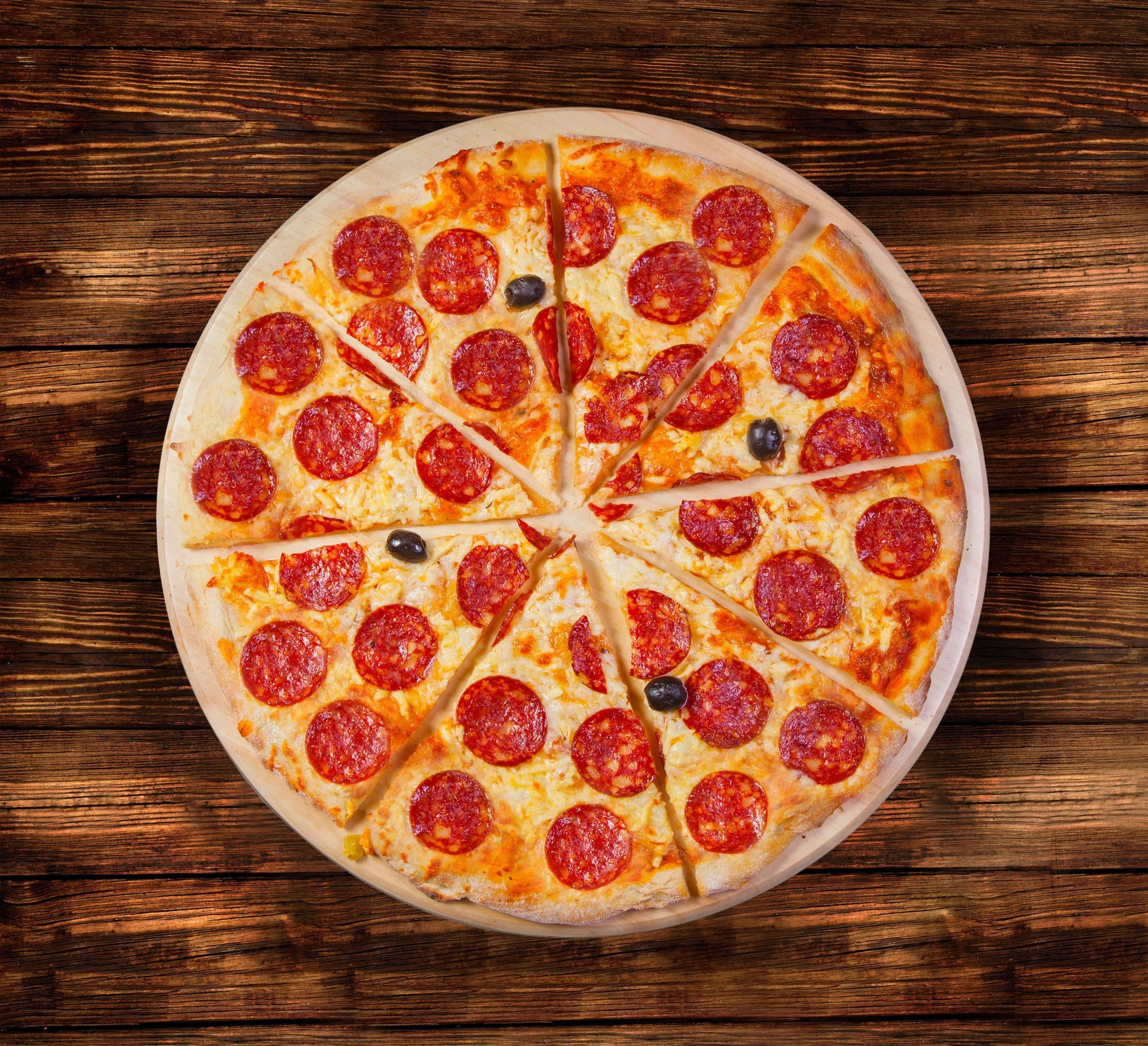
The traditional pizza topping combination has long been dominated by classics like pepperoni and cheese. Historically, cultural and regional tastes restricted the array of toppings. Constraints existed due to limited supply chain capabilities and traditional palate preferences. However, as the world became more globalized, so did culinary tastes. Businesses that once offered a minimal selection now face the challenge of expanding to meet diverse customer demands.
1.2 Popular Trends in Topping Selections
Today, many pizzerias are experimenting with innovative and unconventional toppings. Ingredients like truffle oil, figs, and arugula are becoming regulars on pizza menus. This trend is fueled by a desire to differentiate products in a competitive market. Additionally, younger generations, with their adventurous eating habits, are encouraging the exploration of such uncommon ingredients. Introducing these new toppings often leads to increased customer curiosity and satisfaction.
1.3 How Global Flavors are Influencing Choices
The incorporation of global flavors has significantly influenced pizza menus. Ingredients traditionally found in international cuisines, such as tandoori chicken, kimchi, and even sushi, are making their debut. Such inclusions cater to multicultural consumers and global food enthusiasts. These options highlight the adaptability of pizza to blend with diverse culinary traditions. Ultimately, they broaden the appeal of pizza to include a wider demographic.
1.4 Vegetarian and Vegan Options Expansion
With the rise of dietary consciousness, vegetarian and vegan toppings have gained traction. Consumers are increasingly keen on sustainable and animal-friendly food choices. As a response, many pizzerias now offer plant-based ingredients like vegan cheese and meat substitutes. This shift not only attracts vegan consumers but also those looking to reduce meat consumption. A diversified menu promises increased patronage and better customer loyalty.
1.5 Customization: Letting Customers Choose
Modern consumers value customization as it allows them to tailor meals to their preferences. Offering a create-your-own-pizza option meets this demand, enhancing user experience. This approach satisfies both adventurous eaters and those with specific dietary needs. By offering an array of toppings, pizzerias engage patrons deeply in their dining experience. Ultimately, customization fosters greater customer loyalty and repeat business.
2. Innovative Crust and Dough Variations
2.1 From Classic to Cauliflower: A Dough Revolution
The evolution from traditional wheat flour crusts to unconventional bases marks a significant change in the industry. Cauliflower crusts gained popularity due to their reduced carbohydrate content. This change reflects a broader trend toward health-conscious dining. Such offerings address specific dietary needs and expand consumer bases. Adapting crust options can lead to increased market share and client satisfaction.
2.2 The Appeal of Stuffed and Flavored Crusts
Stuffed crusts have gained admiration for adding depth and surprise to the pizza experience. Flavored edges, such as those infused with garlic butter or herbs, elevate the overall dish. These innovations cater to sensory dimensions of dining, offering more than just taste. By focusing on such delightful modifications, pizzerias capture both imagination and palate. More creative crust offerings translate to more enthusiastic patrons.
2.3 Gluten-Free and Health-Conscious Options
There's a significant surge in demand for gluten-free alternatives driven by allergies and health trends. Offering gluten-free pizzas ensures inclusivity for those with dietary restrictions. Health-conscious consumers are actively seeking low-carbohydrate, protein-rich bases. Consequently, introducing such options isn't merely trend-driven; it acknowledges a growing market. This strategy can effectively broaden a pizzeria’s customer base.
2.4 How Texture Influences Customer Satisfaction
The textural profile of a crust greatly affects how it's perceived by diners. Some prefer the crispness of thin crusts, while others delight in the fluffiness of deep-dish variants. Texture can significantly enhance or detract from the dining experience. Pizzerias that offer varying textures can cater to diverse palates. Satisfying such preferences is crucial to ensuring repeat business and customer loyalty.
2.5 Crust Innovations: What’s Next?
Constant innovation in crust formulations presents fresh market opportunities. Experiments with ancient grains and dough are emerging trends. According to a study cited in Pizza Today, more than 45% of pizzeria operators/respondents indicated interest in adding a new pizza style(s) to their menu. The challenge lies in balancing innovation with taste and texture quality. The future promises further exciting developments in this area.
3. Expanding Beyond Pizza: Accompaniments and Extras
3.1 The Role of Side Dishes in Enhancing Experience
Pizzerias have begun recognizing the importance of side dishes. Items like garlic knots and mozzarella sticks are popular additions. They complement the main pizza dish and enrich the dining experience. These sides often encourage larger orders, increasing revenue per customer. Strategic menu diversification beyond pizza highlights the holistic dining appeal of pizzerias.
3.2 Salads and Their Growing Popularity
The embrace of salads by pizzerias caters to health-conscious diners. Fresh salads not only balance heavier meals but also attract a broader demographic. Incorporating seasonal local produce into salads can enhance their appeal. This focus aligns with sustainable and healthy living trends. By expanding menus to include these lighter options, pizzerias enhance their market position.
3.3 Desserts as Sweet Complements
Pizzerias are increasingly offering a variety of desserts to round off meals. Classics like tiramisu capture diners' sweet tooth. These sweets offer a memorable conclusion to the savory pizza experience. A diverse dessert menu can heighten customer satisfaction and increase average order size. Such offerings help to position pizzerias as comprehensive dining destinations.
3.4 Beverages: Broadening the Menu Offerings
The inclusion of beverages like craft sodas, wines, and specialty coffees represents an evolving menu trend. Thoughtfully paired drinks can elevate the overall dining experience. For instance, wines complement the intricate flavors of certain pizzas. A broad beverage selection may encourage diners to complete their orders with drinks. Revenue broadening through drink sales can significantly boost profitability.
3.5 Combo Deals: Increasing Order Value
Combo deals entice customers to order more and increase average ticket sizes. Offering bundled deals maximizes the perceived value of the meal. Such promotions encourage customers to explore a wider range of menu offerings. This strategy enhances loyalty by presenting exciting and value-driven dining options. Regularly refreshed combo deals can maintain and enhance customer interest.
4. Targeting Specific Diets and Allergies
4.1 Understanding Allergies
Pizzerias are becoming more aware of food allergies. Ingredients like gluten and dairy are common allergens. Understanding these needs requires thorough staff training and ingredient labeling. Transparency regarding ingredients can prevent cross-contamination and avoid alienating potential customers. This commitment to food safety can boost trust and foster consumer loyalty.
4.2 Creating Menus for Specific Dietary Needs
By catering to specific dietary requirements, pizzerias tap into niche markets. Menus offering lactose-free, gluten-free, and nut-free options drive inclusivity. These offerings can differentiate a brand, attracting unique subsets of diners. A welcoming approach to dietary needs enhances both customer satisfaction and business prospects. By addressing these concerns, businesses tap into previously underserved markets.
4.3 The Popularity of Keto and Low-Carbohydrate Options
The low-carbohydrate diet movements have impacted dining significantly. Pizzerias incorporating these options align with broader dietary trends. These pizzas typically replace traditional types with alternatives like almond or coconut flour. Catering to these diets not only attracts health-focused consumers but can inspire new menu innovations. Adopting such popular trends ensures alignment with contemporary preferences.
Summarizing how diverse menu choices are revolutionizing the pizza delivery industry, enhancing customer satisfaction, and creating new business opportunities. Such advancements reflect innovations driven by both consumer preferences and business acumen. The ever-evolving culinary landscape provides fertile ground for enhancing diner experiences. Pizzerias that embrace diverse options are well-positioned to capitalize on contemporary trends. Ultimately, this evolution heralds an exciting future for pizza enthusiasts and businesses alike. Be sure to reach out to Main Street Pizza today to learn more about our professional pizza delivery!


Share On: